
Live cricket odds can “teleport”. One second, a price appears stable, and the next it changes drastically, even though the game on the screen has not changed. The feeling often leads to mistrust, but the usual reasons for it are technical ones: the delay between the video and the data, the updates coming in the wrong order, and the apps refreshing different parts at different times.
During peak matches, online cricket betting apps in india also face heavy traffic and unstable networks, which makes these gaps easier to notice.
Once the mechanics are understood, sudden jumps look less mysterious. Live pricing is built on ball-by-ball inputs and automated risk controls. When those inputs arrive late, arrive out of sequence, or temporarily desync from the interface, the odds can appear to change “for no reason,” even when the system is behaving exactly as designed.
What odds are reacting to in real time
Live odds respond to data events, not to a viewer’s stream. The moment a delivery is recorded, the match state changes: runs added, balls used, wickets lost, batters swapped, or an over completed. Each change can alter win probability and market pricing within seconds.
Market suspension is an essential element. It is common for several platforms to momentarily suspend certain live markets for a few seconds at the very instances when the game can be turned over such as the delivery of a ball, a review of the wicket, or a boundary which changes the required rate. The new price, when the market opens again, can be significantly different from the last one the users saw. For users, it appears as if the price has significantly changed. The platforms see it as a reopening at the latest information.
Some match events also carry more weight than they seem. A single wicket in the powerplay can shift expected scoring more than a couple of singles. A wide or no-ball can change the math because it adds both runs and an extra delivery. A dot-ball streak can increase pressure even if the score barely moves. Odds may reflect those structural shifts faster than a casual glance at the scorecard.
Latency basics: where the delay is introduced
“Latency” is not one delay. It is a chain of small delays, and each link can stretch during high traffic.
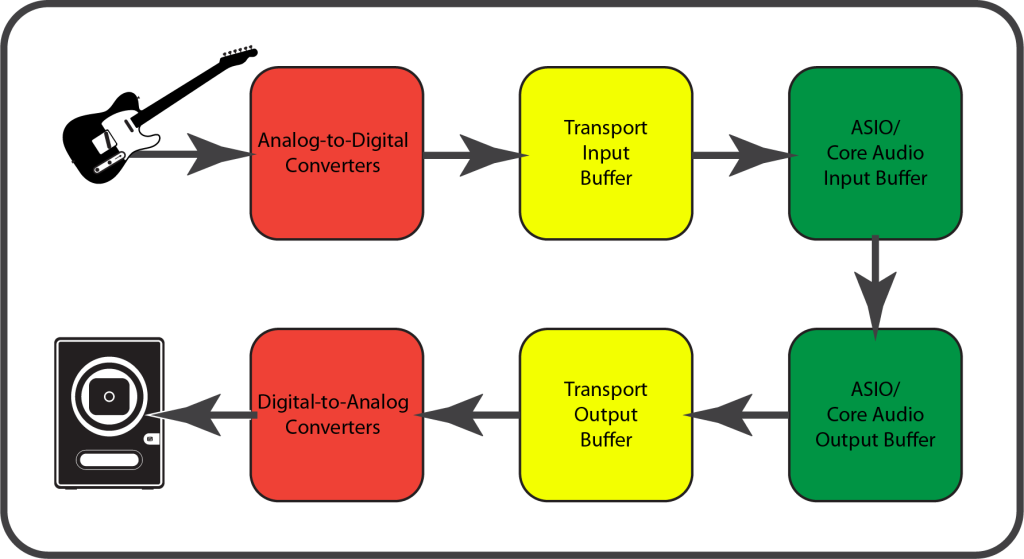
Data feed latency is the time between the ball being completed and the official ball-by-ball record being published to downstream systems. That feed is often faster than video. Video streams typically lag because they are encoded, distributed through content networks, buffered by the device, and sometimes adjusted for playback stability. As a result, a price change can be “correct” while the viewer is still watching a moment from several seconds ago.
Feed order problems: when updates arrive out of sequence
Even when a feed is accurate, it can arrive in the wrong order at the device level. That can happen if the app receives a later update faster than an earlier one, or if one part of the system retries a request after a timeout. In live environments, “out-of-order” delivery is a real risk, especially when traffic spikes.
What does out-of-order look like? A price might reflect a wicket, but the scoreboard still shows the previous batter. A run rate might update before the over count changes. A market might reopen with a new line, then immediately adjust again when the missing event arrives.
Platforms typically guard against this with timestamps and sequencing rules. Updates are supposed to be applied in order, and late updates may be rejected or merged. Still, no system is perfect under stress. If the app is forced to reconcile conflicting events, it may briefly show inconsistent states before it settles.
For a user, it can help to think of the app as juggling three clocks at once: the match clock, the feed clock, and the phone’s refresh clock. When those clocks drift apart, the screen can look confusing even if the underlying data is fine.
Sync issues: why the app and the match tracker disagree
Most live platforms are not driven by one single source. They often combine an official ball-by-ball feed, a third-party data layer that standardizes events, and an internal pricing model that updates markets. If those layers refresh at different intervals, the interface can briefly disagree with itself.
Caching adds another layer. To keep pages responsive during heavy use, apps cache recent values and refresh specific components on a schedule. That is why the odds box might update while the mini scorecard remains unchanged for a moment. When the next refresh hits, the scorecard snaps into place, and the mismatch disappears.
Network switching can also cause a “sudden fix.” Moving from congested Wi-Fi to mobile data can reduce packet loss and speed up the next refresh. The app then loads a fresh state and appears to correct itself instantly. It is not magic. It is a new, cleaner connection delivering the latest snapshot.
On match pages such as slot-desi, these sync effects can be more visible because users often keep multiple panels open at once. When different panels update on slightly different cycles, the human eye reads that as instability.
Practical ways users can reduce odds confusion
Odds jumps cannot be eliminated, but the experience can be made cleaner by reducing avoidable delay and preventing refresh throttling.
- Prefer the more stable connection for the location. If Wi-Fi is crowded, mobile data often refreshes more consistently.
- Disable aggressive battery saving for the session. Background limits can delay live updates and batch them into sudden jumps.
- Avoid constant network switching. Rapid toggling between Wi-Fi and mobile can increase out-of-order updates.
- Close heavy background apps during peak overs. Less device load can improve refresh consistency.
- If the stream is clearly behind, rely on the live score panel for timing cues. Video typically lags data during high traffic.
- When the screen looks inconsistent, force a single refresh and wait a few seconds. Repeated rapid refreshes can make sequencing worse.
Live odds are a product of real-time math plus real-world networks. When latency, feed order, and sync cycles are understood, the jumps look less like “mystery movement” and more like the visible edge of a fast system working under pressure.