
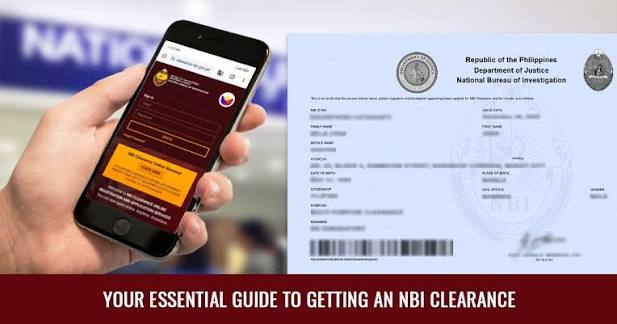
If a foreign client or platform has asked you for a government background check before they hand you remote access to their systems, they’re asking for an NBI Clearance. It’s the standard document Philippine employers, BPOs, and increasingly international clients use to confirm you don’t have a pending criminal record. If you work in IT support, network administration, or any remote technical role where you’re testing ports, configuring VPNs, or accessing client servers, expect this request sooner or later.
Why Remote Tech Work Comes With Background Checks
Remote IT work runs on trust before it runs on code. When you’re diagnosing why a client’s mail server isn’t responding on port 587, or checking whether port 3389 is open for a Remote Desktop session, you’re often sitting inside someone else’s network with real access to their infrastructure. Companies that hire Filipino freelancers for this kind of work — network troubleshooting, server administration, remote helpdesk support — have a direct incentive to verify who they’re letting in.
This is different from casual freelance writing or design gigs. A client testing you before granting VPN credentials, or a BPO company routing you into their internal ticketing system, is handing over access that could expose sensitive data if the wrong person got it. An NBI Clearance is their cheapest, fastest way to confirm you’re not a flagged risk before that access gets granted.
Where the NBI Clearance Fits in Your Application
Most remote job platforms and outsourcing agencies list required documents somewhere in their onboarding checklist — a valid ID, proof of billing, and a police or NBI clearance. If you’re applying to a BPO account that handles international network operations, or a staffing agency placing Filipino IT talent with overseas companies, you’ll usually see the clearance requirement before you’re issued login credentials for any client-facing system. Sites like NBI Clearance walk through the appointment booking process, required valid IDs, and current fees, which is useful if this is your first time applying and you’re not sure where to start.
Skipping this step doesn’t just delay your onboarding — some agencies won’t schedule your first paid assignment until the clearance is on file, especially for roles involving remote server access or client network configuration.
Getting Your Clearance Without Slowing Down Your Job Search
Book your appointment as early as possible, ideally the same week you start applying to remote IT roles. Processing itself is fast once you’re at the branch, but appointment slots in busy branches like those in Metro Manila, Cebu, and Davao fill up days in advance. If you already hold a valid clearance from a previous job, check whether it’s still within its one-year validity window — renewal online, without a branch visit, is available for clearances that haven’t expired and don’t have a “hit” on your name.
Bring at least one government-issued ID with your current address and a clear photo. Mismatched details between your ID and your application form are the single most common reason applicants get sent back to fix their paperwork before their appointment can proceed. Pay through GCash, Maya, or over-the-counter options like 7-Eleven ahead of your scheduled date so you’re not stuck at the cashier line when you arrive.
Mistakes That Cost Freelancers Time
Applying for the clearance only after a client formally requests it is the biggest mistake. By the time you’ve booked an appointment, gone through processing, and waited out a possible “hit” review, you can lose a week or more — time a client offering you a short-term contract usually isn’t willing to give.
Using an old or expired ID is the second most common issue. NBI branches are strict about accepting only current, unexpired identification, and a driver’s license or passport that lapsed months ago will get your application rejected on the spot.
Assuming your clearance transfers automatically between jobs is another trap. Some clients or agencies want a clearance issued within the past three to six months, not just anything within the one-year validity period. Check the specific requirement before you assume last year’s document still qualifies.
FAQs
Do I need an NBI Clearance for every freelance client?
No. Most individual freelance clients on platforms like Upwork or Fiverr never ask for one. It typically comes up when you’re working through a Philippine-based agency, BPO, or a client granting you direct access to their internal network or servers.
How long does an NBI Clearance stay valid?
One year from the date of issue, unless the clearance shows a “hit” that requires further verification, which can extend processing.
Can I renew my NBI Clearance without visiting a branch?
Yes, if your existing clearance hasn’t expired and has no pending hit, online renewal is available and doesn’t require an in-person appointment.
What ID do I need to bring to my appointment?
Any government-issued ID with your photo, signature, and current address — a passport, driver’s license, UMID, or PhilSys ID all qualify.
What happens if my NBI Clearance shows a “hit”?
A hit means your name matched another record in the database and needs manual verification, which can take several days to a few weeks depending on the branch.
Does a first-time job seeker get any discount?
Yes. Under the Republic Act on the Joint Special Program for the Employment of Students and Out-of-School Youth, first-time job seekers can apply for a fee-free clearance, provided they bring the required certification from their local barangay.
Final Thoughts
An NBI Clearance rarely feels urgent until a client or agency asks for one, and by then you’re racing an appointment calendar instead of your own schedule. Booking it early, before it’s a hard requirement, keeps one less obstacle between you and the next remote contract.