
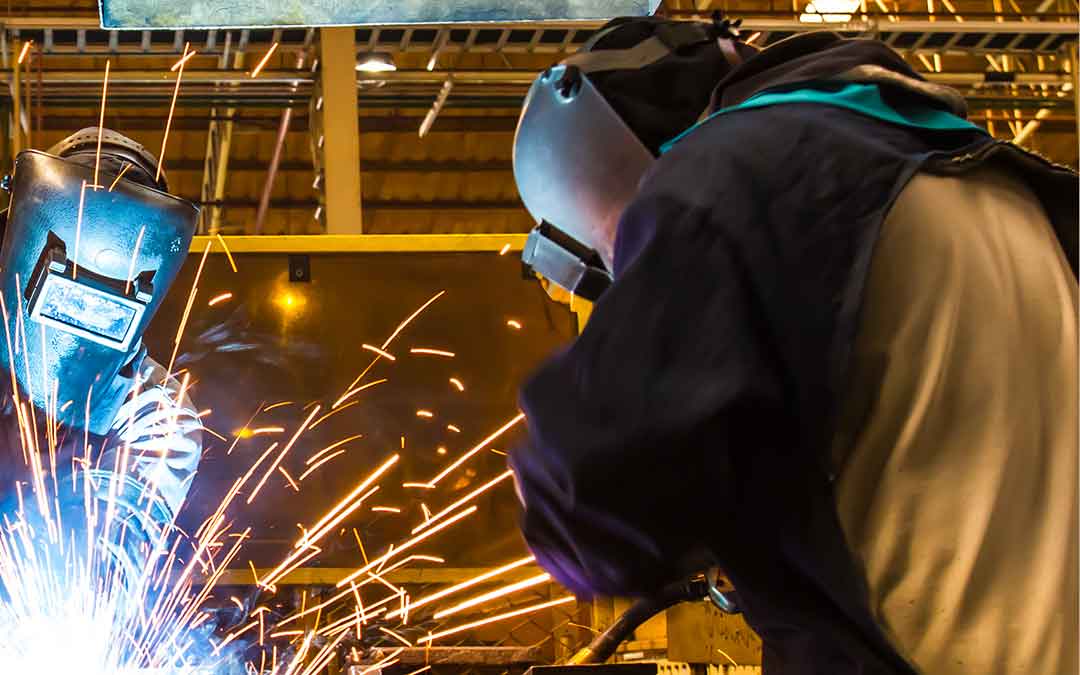
Metal cutting plus welding can create heat that reaches places outside the immediate task area. Consistent Monitoring Makes Hot Work Fire Watch Denver Valuable During Critical Tasks explains the importance of careful observation when sparks or heated surfaces create added concerns. During these activities hot work fire watch Denver provides dedicated attention around the active location. Assigned personnel can notice smoke or unusual warmth while equipment operators remain focused on their duties. Clear preparation also helps remove materials that could catch fire before activity starts. Continued checks provide another level of control once heated equipment becomes inactive.
Preparing Surrounding Areas Before Work
Preparation should begin by examining floors or walls plus nearby storage spaces. Loose materials need enough distance from locations where sparks or heated pieces may land. Response equipment should remain available so assigned personnel can act quickly if conditions suddenly change.
Open gaps deserve equal attention before equipment starts. Small heated fragments may enter spaces that are difficult to inspect during active work. Finding these concerns early gives crews time to correct them without interrupting the task later.
Clear responsibilities also support preparation. Everyone involved should understand who operates the equipment plus who observes surrounding conditions. This creates an orderly start for work that carries additional fire concerns.
Reducing Risks Around Active Hot Tasks
Simple controls can reduce avoidable concerns throughout welding or cutting activities. Each measure should address a different part of the surrounding work location.
- Remove loose materials before sparks begin reaching nearby exposed surfaces.
- Inspect hidden openings where heated fragments might travel without notice.
- Keep suitable response equipment close enough for quick emergency action.
- Move stored items away from areas receiving direct working heat.
- Watch surrounding surfaces carefully for smoke or unusual temperature changes.
- Maintain clear walking routes throughout every monitored active work location.
- Examine floor gaps where glowing particles could remain hidden afterward.
- Report changing conditions quickly before they create greater fire concerns.
These measures are easier to follow when responsibilities remain clear. Workers should understand which areas need attention before activity begins plus what must remain under observation throughout the task.
Maintaining Attention While Equipment Operates
Continuous observation matters because worksite conditions may change quickly. Materials can be moved closer to the active location, or sparks may begin travelling in a different direction. An assigned observer can recognize these changes without distracting the person operating the equipment.
A wider view is important during longer activities. Floors or walls plus spaces behind nearby surfaces may require periodic checks. Observation should cover possible spark paths rather than remaining limited to the immediate working point.
Communication also needs to stay simple. When smoke or unusual warmth appears, the observer should report it promptly. Work can then pause until responsible personnel confirms that conditions are suitable again.
What Should Observers Check After Work Has Ended?
Stopping equipment does not always remove every concern from the surrounding area. Heated metal may continue passing warmth into nearby surfaces for some time. Small fragments can also remain inside openings where they are difficult to notice. Follow-up observation allows assigned personnel to identify these delayed warning signs before leaving the location.
The monitoring period should follow applicable workplace requirements plus local rules. During that time hot work fire watch Denver supports careful checking of surfaces that may still hold heat. Any smoke or unusual change should receive immediate attention. Proper records can also show when post-task observation began plus when it was completed.
Defining Clear Roles Across Work Areas
Clear roles reduce uncertainty during tasks that involve sparks or high temperatures. Equipment operators can concentrate on their assigned activity while another person watches nearby conditions. Supervisors should confirm these duties before permission is given to proceed.
Observers should remain focused on their assigned responsibility. Unrelated tasks can divide attention at the exact moment a warning sign begins to appear. Dedicated observation provides a more dependable way to identify developing concerns.
Workers also need a clear reporting process. Everyone should know who receives information when conditions change. This supports faster decisions without unnecessary confusion.
Steady Attention Strengthens Worksite Control
Dependable oversight gives crews a practical way to manage changing conditions. Defined responsibilities allow quicker responses when unexpected smoke or lingering warmth appears. Post task checks provide time to find hidden concerns before an area returns to normal use. Accurate documentation helps supervisors review whether required duties were carried out correctly. Consistent monitoring makes hot work fire watch denver valuable during critical risks because disciplined execution remains more dependable than expecting every operation to proceed perfectly.